Single department · 3 months
HR AI Transformation
Your HR team is being asked to write the AI policy, redesign the jobs it changes, and tell people whether their role is safe. Most have had less hands-on time with these tools than the people asking them. Three months inside the department changes that, on the work the team actually does.
Why HR goes first
HR has to transform itself first to lead the way for the rest of the company.
Every AI rollout splits into three pieces: the model, the implementation, and the behaviour change that decides whether any of it sticks. Behaviour change is HR’s job.
That gives HR a dual role. The first is helping every other function see how AI changes their actual work, not which tool to buy but which parts of a role shift. The secondis proving it can be done at all, by redesigning HR’s own operating model first.
Most AI transformation runs on a deck and a deadline. This one runs on people who have already redesigned how they work.

The behaviour we change
Most AI use is enhancement. We’re after redesign.
Enhancement is the same work, done faster: a quicker machine in the same corner of the same factory. Redesign is the work changing shape. The difference shows up in three places.
- TimeEnhancementThe task takes less time.RedesignThe task is off a person’s plate entirely.
- ImpactEnhancementA better version of what you already made.RedesignSomething the old process couldn’t produce, at this scale or this personalized.
- The roleEnhancementThe admin part feels less tedious.RedesignThe focus of the job moves to human judgment and accountability.
How the three months actually run
Three months in, your team has infrastructure it keeps building on.
A workshop teaches people. It doesn’t change how the team works, and that’s where AI effort stalls nearly every time: five people get quietly faster and the department runs exactly as it did before. So we build the shared foundation first, redesign the workflows worth redesigning, and let fluency compound from there.
The shared foundation
A knowledge base and sensitive-data guardrails your team can actually trust, as the reference point everything else gets built on.
The workflows worth redesigning
Start with the problem that’s actually stalling the team, like a calibration cycle, an ER intake process or a promotion cycle, rather than the one that’s easiest to demo.
Fluency that compounds
What one person builds becomes everyone’s baseline, and Champions inside HR keep it moving after we leave.
What this could look like
Examples of an HR AI backlog
Every team’s backlog looks different, depending on where the work actually stalls.
Where the line sits
Decisions about people stay with people.
AI can draft the posting, summarize the survey and pull the file together. It doesn’t decide who gets hired or promoted. Where exactly it stops is your team’s call, based on their expertise and their judgment.
- What moves to AI
First drafts, synthesis of scattered notes into one document, and pattern recognition across data nobody has time to cross-reference by hand.
- What stays human
The investigation, the disciplinary call, the judgment made on incomplete information, and the trust the team places in whoever delivers it.
- Built on real judgment
The guardrails and the decision line come from the people doing the work, rather than a generic AI policy template.
- A guardrail for every handoff
Your team decides, case by case, what AI can’t touch and exactly where it hands back to a person.
The line was never which tasks are simple enough to hand off. It’s which outcomes HR owns the judgment and the accountability for.
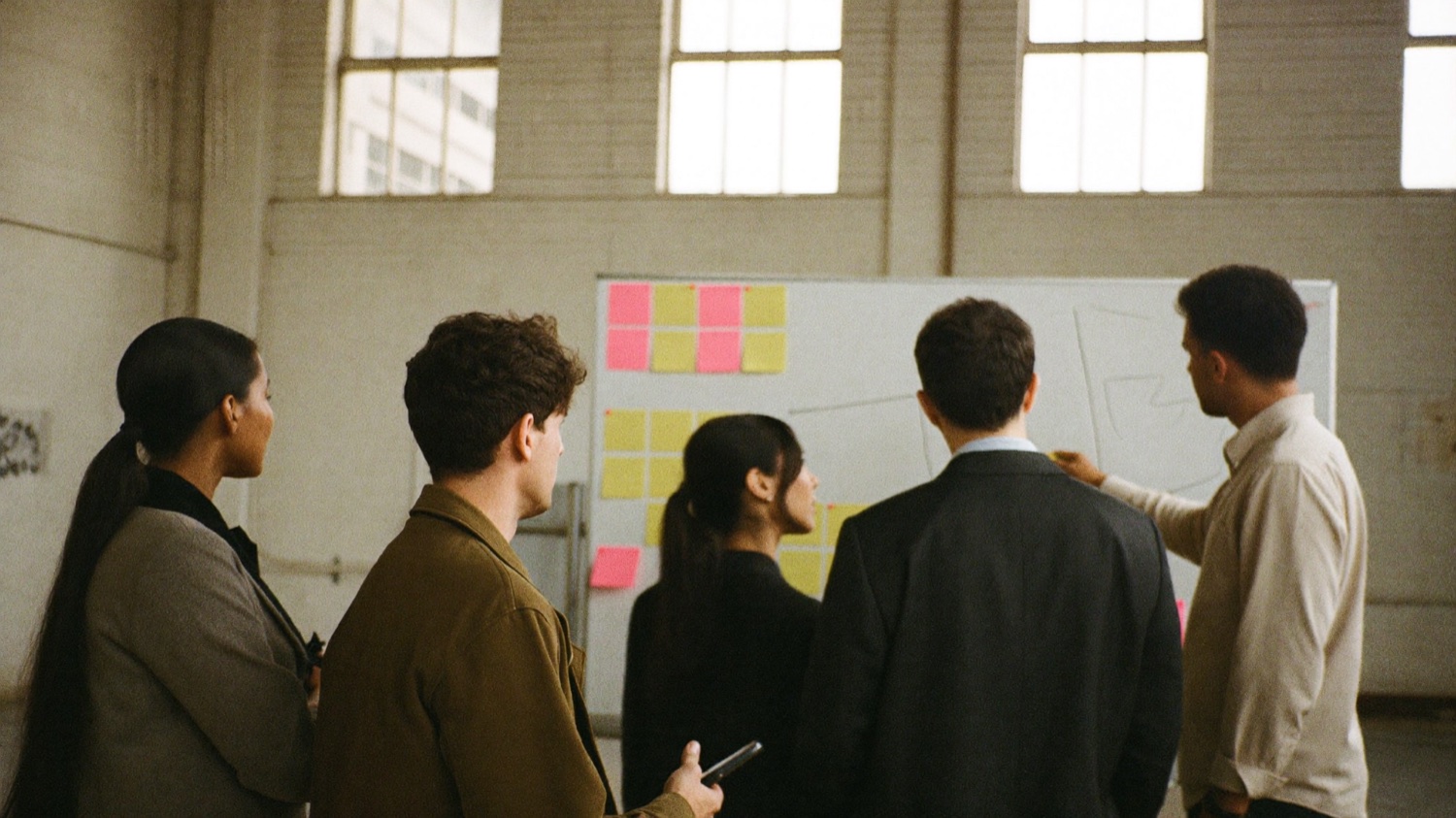
Everything runs on your own workflows, with your own people doing the redesign. Here’s what the three months include.
- Audit of how the team actually works
- AI policy, guardrails and the human-decision line
- AI fluency expectations
- Training for HRBPs, Talent and People Ops
- A live AI backlog for the department
- Pilots on real HR workflows, not sandboxes
- AI Champions inside HR
- Monthly reporting to the exec team, against a measure you set
We agree that measure before we start, and it’s whatever you’re already accountable for rather than a number invented for the report.
The shifts, inside HR
What actually changes over three months.
- Individually faster peopleA team that actually works differently
- Useful context limited by one person’s capacityContext and insight that scale across the team
- Guardrails written after something goes wrongSensitive-data guardrails defined before volume
- AI use living in one person’s private workflowOne shared, sanctioned way of working
- Capability leaves when the builder leavesNamed champions, maintained builds, nothing orphaned
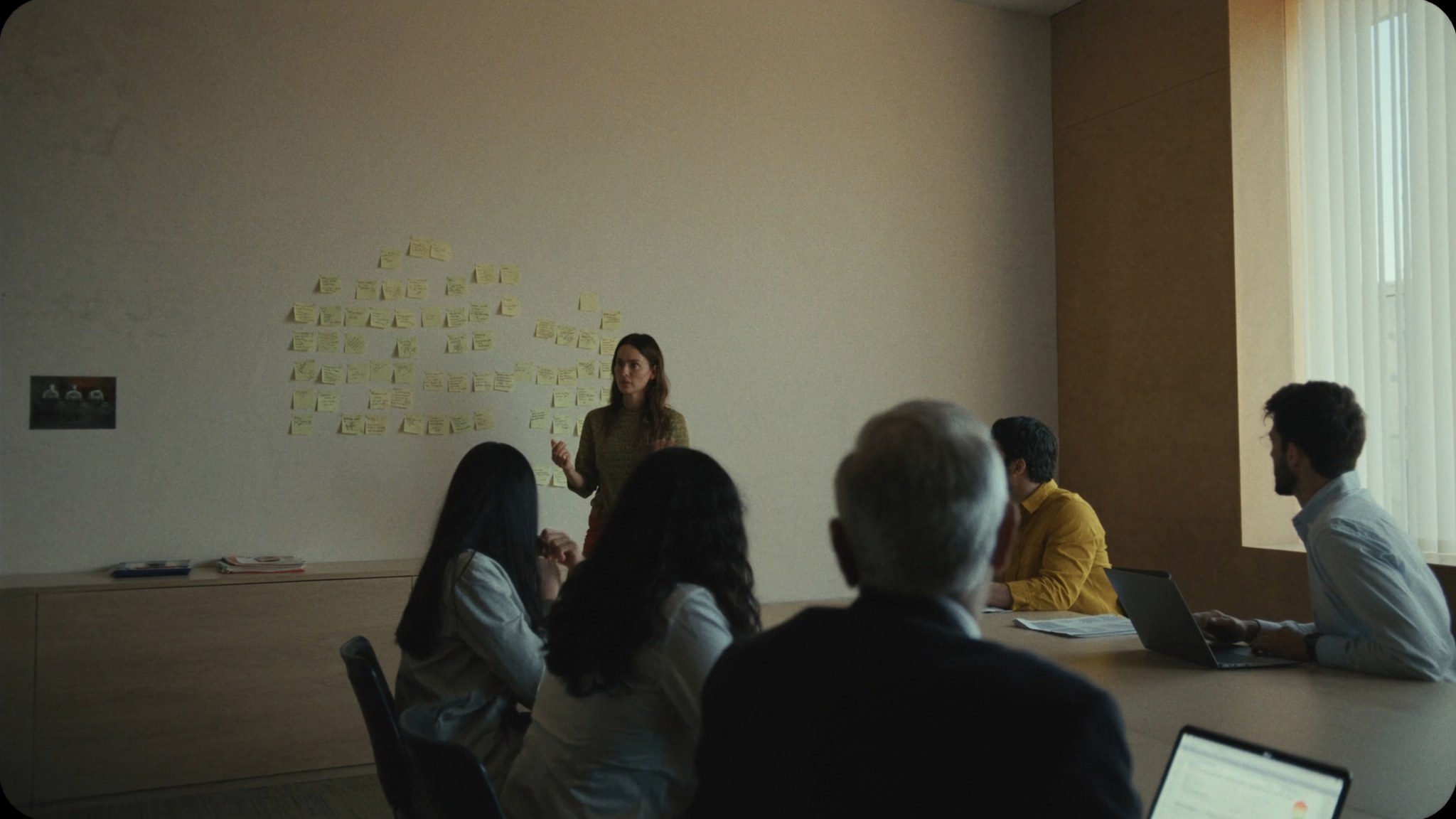
What you leave with
- A team that’s used the tools, not one that sat through training
- The admin load off the people who should be doing people work
- An AI policy your team wrote themselves
- HR-specific guardrails for sensitive data, written by the people who handle it
- AI Champions inside HR who keep it moving after we leave
- A live AI backlog the team keeps adding to
Best fit
CHROs, VPs of People and HR leaders who want to lead this rather than inherit it, and who know their team doesn’t have the capacity to build it alone on top of everything already on their plate. Also CEOs with HR reporting to them directly.
Investment
One department, start to finish. The entry point into Human-Centered AI Transformation.
This is the single-department option of our Human-Centered AI Transformation program, scoped to HR: it changes how your HR team works. If what you need first is the company-wide view of job design, workforce readiness and salary bands, that is our People & Culture Strategy, and it runs separately.
Pricing shown reflects January 2026 rates. Final pricing is confirmed through a formal proposal and may vary based on scope, complexity, and client requirements.
Let’s have the conversation.
Book a call, and we’ll show you exactly where HR AI Transformation fits your business.